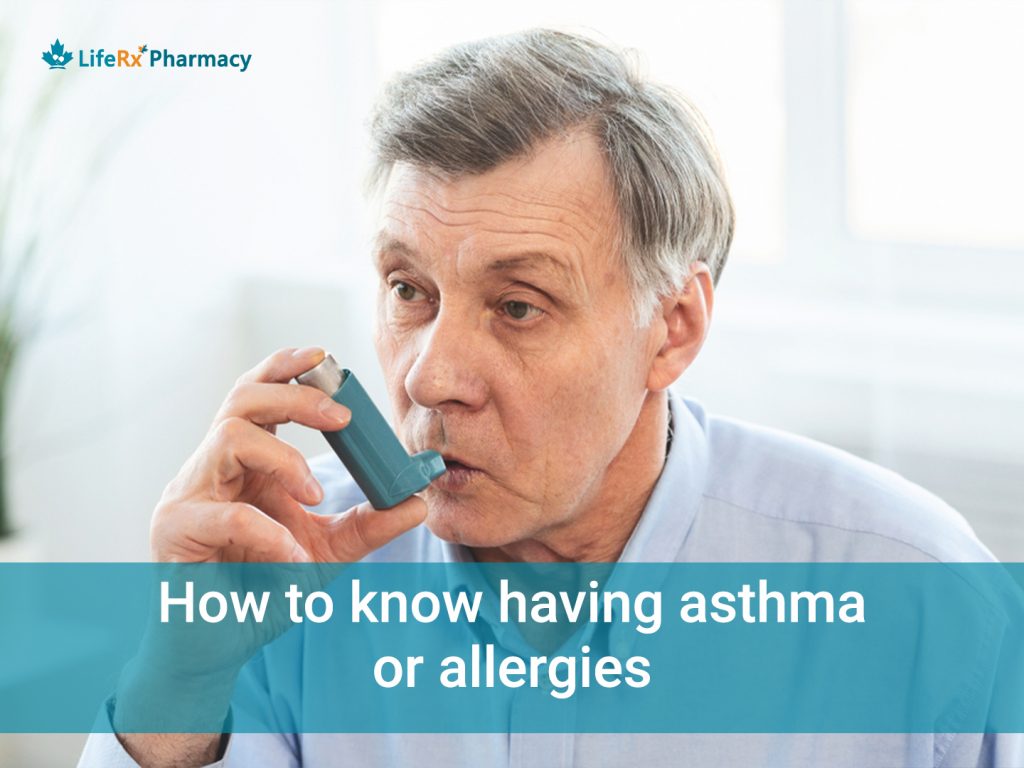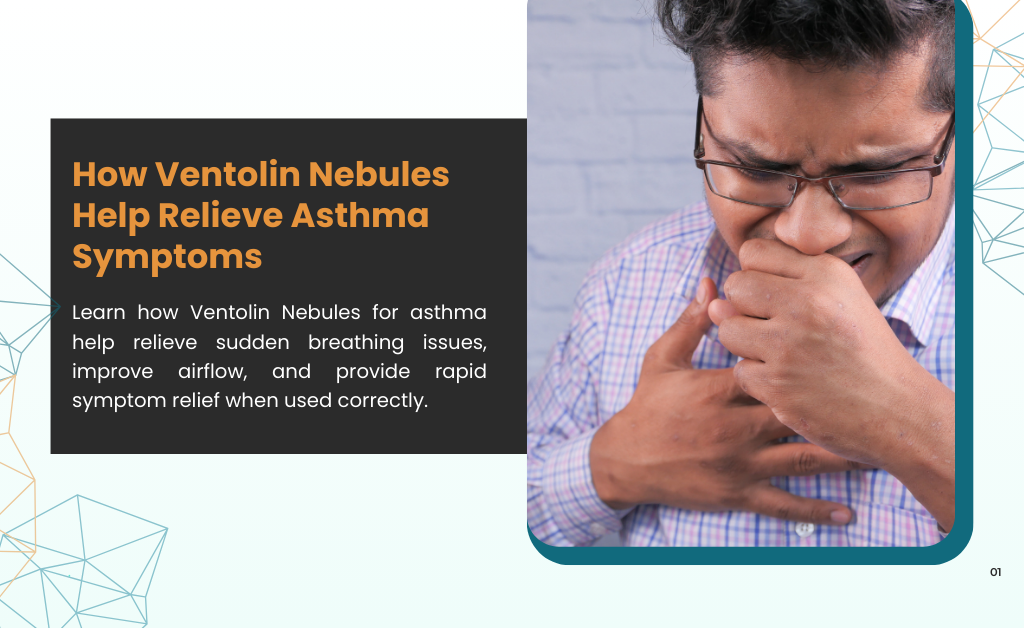
Asthma is a chronic respiratory condition that affects people of all ages and can significantly interfere with daily life if not properly managed. It is characterized by inflammation and narrowing of the airways, which leads to symptoms such as wheezing, shortness of breath, coughing, and chest tightness. These symptoms can range from mild and occasional to severe and life-threatening. Quick-relief medications are essential in controlling sudden asthma flare-ups, and one of the most commonly prescribed options is Ventolin Nebules for Asthma.
Ventolin Nebules are widely used in both emergency and home settings because they provide fast and effective relief from asthma symptoms. Delivered through a nebulizer, they allow the medication to reach deep into the lungs, making breathing easier within minutes. This blog explains how Ventolin Nebules work, their benefits, correct usage, safety considerations, and how to buy them online safely, in a way that is easy to understand for general readers.
What Are Ventolin Nebules and How Do They Work?
Ventolin Nebules are small plastic containers filled with a liquid form of salbutamol, a well-known bronchodilator medication. Salbutamol belongs to a class of drugs called short-acting beta-2 agonists (SABAs). These medicines are designed to relax the smooth muscles that surround the airways in the lungs.
When asthma triggers such as dust, smoke, cold air, exercise, or allergens cause airway muscles to tighten, airflow becomes restricted. Ventolin Nebules for Asthma work by stimulating beta-2 receptors in these muscles, causing them to relax. As a result, the airways widen, allowing air to move in and out of the lungs more freely.
One major advantage of Ventolin Nebules is their method of delivery. Instead of requiring inhaler coordination, the medication is inhaled as a fine mist through a nebulizer. This makes it particularly useful for:
- Young children
- Elderly individuals
- People experiencing severe asthma attacks
- Patients who struggle with inhaler technique
Common Ventolin Nebules uses include the treatment of asthma, chronic obstructive pulmonary disease (COPD), and other conditions involving reversible airway obstruction. In many regions, salbutamol is also known as albuterol, so Ventolin Nebules are comparable to an albuterol nebulizer solution used for similar respiratory conditions.
How Ventolin Nebules for Asthma Provide Fast Relief
One of the most important aspects of asthma management is rapid symptom relief. Asthma attacks can develop suddenly and escalate quickly, making immediate treatment critical. Ventolin Nebules are classified as rescue medications, meaning they are used to relieve symptoms as they occur rather than prevent them long-term.
After inhalation, Ventolin Nebules usually begin working within 5 to 15 minutes. The medication travels directly to the lungs, where it quickly relaxes the airway muscles. This leads to:
- Reduced wheezing
- Easier breathing
- Decreased chest tightness
- Relief from coughing
Because the drug is delivered straight to the respiratory tract, it works faster than oral medications and produces more predictable results. Nebulized treatment is especially helpful during moderate to severe asthma episodes when breathing is too labored to use an inhaler effectively.
Another reason Ventolin Nebules are trusted for fast relief is dosing accuracy. Each nebule contains a pre-measured amount of medication, reducing the risk of underdosing or overdosing. This makes them a dependable option for both home use and emergency care.
For individuals who experience frequent asthma flare-ups, Ventolin Nebules provide a sense of control and reassurance, helping them manage sudden breathing difficulties more confidently.
Recommended Dosage and Proper Nebulizer Use
Using Ventolin Nebules for asthma correctly is essential for achieving optimal symptom relief while minimizing side effects. The appropriate salbutamol nebules dosage depends on factors such as age, symptom severity, and individual medical history.
General Dosage Guidelines
- Adults and adolescents: 2.5 mg to 5 mg per nebulization session, up to 3–4 times daily
- Children: Often start at 2.5 mg, depending on medical advice
- Severe asthma attacks: Higher or more frequent doses may be given under strict medical supervision
Patients should always follow the dosage prescribed by their healthcare provider and should not increase the frequency without professional advice. Overuse of Ventolin Nebules for asthma may indicate poorly controlled asthma and requires medical review.
Proper Use of a Nebulizer
- Wash your hands before handling the medication
- Open one Ventolin Nebule and pour the liquid into the nebulizer cup
- Connect the mouthpiece or face mask securely
- Sit upright and breathe slowly and normally during treatment
- Continue inhaling until the mist stops (usually 5–10 minutes)
- Clean and dry the nebulizer parts after each use
Proper nebulizer hygiene is important to prevent infections and ensure effective medication delivery. Patients should regularly replace worn-out components and follow manufacturer instructions carefully.
Side Effects, Warnings, and Safety Precautions
Ventolin Nebules are widely prescribed and generally well tolerated when used as directed. As with any medication, some individuals may experience side effects. Understanding these effects and knowing when to seek medical advice is essential for safe and effective use, especially for people who rely on Ventolin Nebules for asthma for frequent relief.
Common Side Effects
The most frequently reported Ventolin Nebules side effects are usually mild and temporary. These occur because salbutamol stimulates beta-2 receptors, not only in the lungs but also in other parts of the body. Common side effects include:
- Hand tremors or general shakiness
- Light headache
- Increased nervousness or restlessness
- A faster heartbeat or heart palpitations
- Throat irritation or coughing after nebulization
These symptoms often appear shortly after use and typically resolve on their own as the medication wears off. For most people, these effects are not serious and do not require treatment. However, if they occur frequently or interfere with daily activities, it is advisable to consult a healthcare professional.
Less Common but Serious Side Effects
In rare cases, more serious side effects may occur, such as:
- Chest discomfort or tightness
- Irregular or rapid heartbeat
- Intense dizziness or episodes of fainting
- Muscle cramps or unusual weakness
- Low potassium levels with excessive or prolonged use
Such symptoms require prompt medical attention, as they may indicate overuse or sensitivity to the medication. Excessive reliance on Ventolin Nebules can also mask worsening asthma control, which increases the risk of severe asthma attacks.
Warnings and Precautions
Ventolin Nebules for Asthma should be used with caution in people with certain medical conditions. Individuals with heart disease, high blood pressure, diabetes, hyperthyroidism, or seizure disorders should inform their doctor before using this medication. Salbutamol may temporarily raise blood sugar levels and heart rate, which could be significant in susceptible individuals.
Patients should avoid using Ventolin Nebules more frequently than prescribed. Needing the medication several times a day regularly may indicate poorly controlled asthma and should prompt a review of long-term treatment, including preventive inhalers.
Special Populations and Safety Considerations
Ventolin Nebules are generally considered safe for children, adults, and the elderly when used under medical supervision. Dosage adjustments are often required for children to reduce the risk of side effects.
Pregnant and breastfeeding individuals should use Ventolin Nebules for Asthma only if prescribed, although salbutamol has a long history of use in pregnancy when the benefits outweigh potential risks.
Proper nebulizer hygiene is another important safety aspect. Equipment should be cleaned and dried after each use to prevent bacterial growth and respiratory infections.
When to Seek Medical Help
Immediate medical attention should be sought if asthma symptoms do not improve after using Ventolin Nebules, if breathing worsens, or if severe side effects occur. Early intervention can prevent complications and ensure optimal asthma control.
Final Thoughts
Asthma is a long-term condition, but with the right treatment, it can be managed effectively. Ventolin Nebules play a crucial role in providing fast relief from sudden asthma symptoms by delivering salbutamol directly to the lungs. Their ease of use, rapid action, and reliable dosing make them an essential rescue medication for many individuals.
By understanding Ventolin Nebules uses, following the correct salbutamol nebules dosage, and being aware of possible Ventolin Nebules side effects, patients can use this medication safely and confidently. Whether referred to as Ventolin Nebules or an albuterol nebulizer solution, this therapy remains a cornerstone of acute asthma management.
When used responsibly and purchased from trusted sources such as LifeRx Pharmacy, Ventolin Nebules for Asthma help individuals breathe easier, regain control, and improve overall quality of life. Always consult a healthcare professional for personalized asthma management and long-term treatment planning.
FAQs:
What are Ventolin Nebules used for?
Ventolin Nebules are used to relieve breathing difficulties caused by asthma, COPD, and other conditions that narrow the airways. They help relax the muscles around the air passages, making breathing easier. They are commonly used during asthma attacks or sudden episodes of shortness of breath.
How quickly do Ventolin Nebules work?
Ventolin Nebules usually start working within 5 to 15 minutes after inhalation through a nebulizer. They provide fast relief from wheezing, chest tightness, and breathlessness. This makes them an effective rescue medication during acute asthma symptoms.
Can Ventolin Nebules be used daily?
Ventolin Nebules for Asthma can be used daily if prescribed by a doctor, especially in people with frequent symptoms. However, regular or excessive use may indicate poorly controlled asthma. Long-term asthma management usually requires preventive medications alongside Ventolin.
What are the common side effects of Ventolin Nebules?
Common side effects include mild tremors, headache, nervousness, and a fast heartbeat. These effects are typically short-lived and often resolve without treatment. Seek medical guidance if symptoms continue or become more severe.
Are Ventolin Nebules safe for children and adults?
Ventolin Nebules are generally safe for both children and adults when used as directed by a healthcare professional. The dose may change based on age and how severe the symptoms are. A healthcare professional should guide its use.
REFERENCES:
- https://www.vinmec.com/eng/blog/precautions-when-using-ventolin-nebules-en
- https://www.nps.org.au/medicine-finder/ventolin-nebules-nebulising-solution
- https://my.clevelandclinic.org/health/drugs/19198-albuterol-nebulizer-solution
- https://www.news-medical.net/drugs/Ventolin-Nebules.aspx